
The University of Kisubi proudly took part in the 16th National Council for Higher Education Exhibition 2026, joining other institutions from across the country in showcasing innovative solutions aimed at driving Uganda’s socio-Economic transformation.
As judges moved around the exhibition stalls, several key observations were made. A total of 58 universities participated, presenting products and ideas of a notably high standard. The judges were particularly impressed not only by the quality of the innovations but also by the depth of knowledge demonstrated by the exhibitors, reflecting strong research and practical application skills across institutions.
In terms of participation, the exhibition brought together 24 chartered and public universities, 18 licensed universities, and 10 other institutions, including non-academic bodies. This diversity created a rich environment for knowledge sharing and collaboration.
The exhibition also proved highly beneficial for secondary school students who attended. It offered them a valuable opportunity for career guidance, helping them make more informed decisions about their future university choices by interacting directly with institutions and exploring real-world innovations.
A common trend across universities was the strong focus on digital inclusion. Many institutions showcased innovations in digital systems, alongside practical solutions in the fields of medical and legal technology. These innovations demonstrated clear alignment with national development priorities, with strong potential for scaling, funding, and real-world impact.
Judges highlighted several key strengths, including the relevance of the innovations to national needs and their potential for wider dissemination within communities. However, they also emphasized the need for stronger collaboration among universities and the importance of incubation systems to nurture, refine, and scale promising ideas into sustainable solutions.
At the exhibition, the University of Kisubi stood out with a range of practical and community-oriented innovations. These included a solar-powered tricycle, designed to provide an eco-friendly and affordable transport solution, and a sign language learning application aimed at promoting inclusive education for the deaf community.
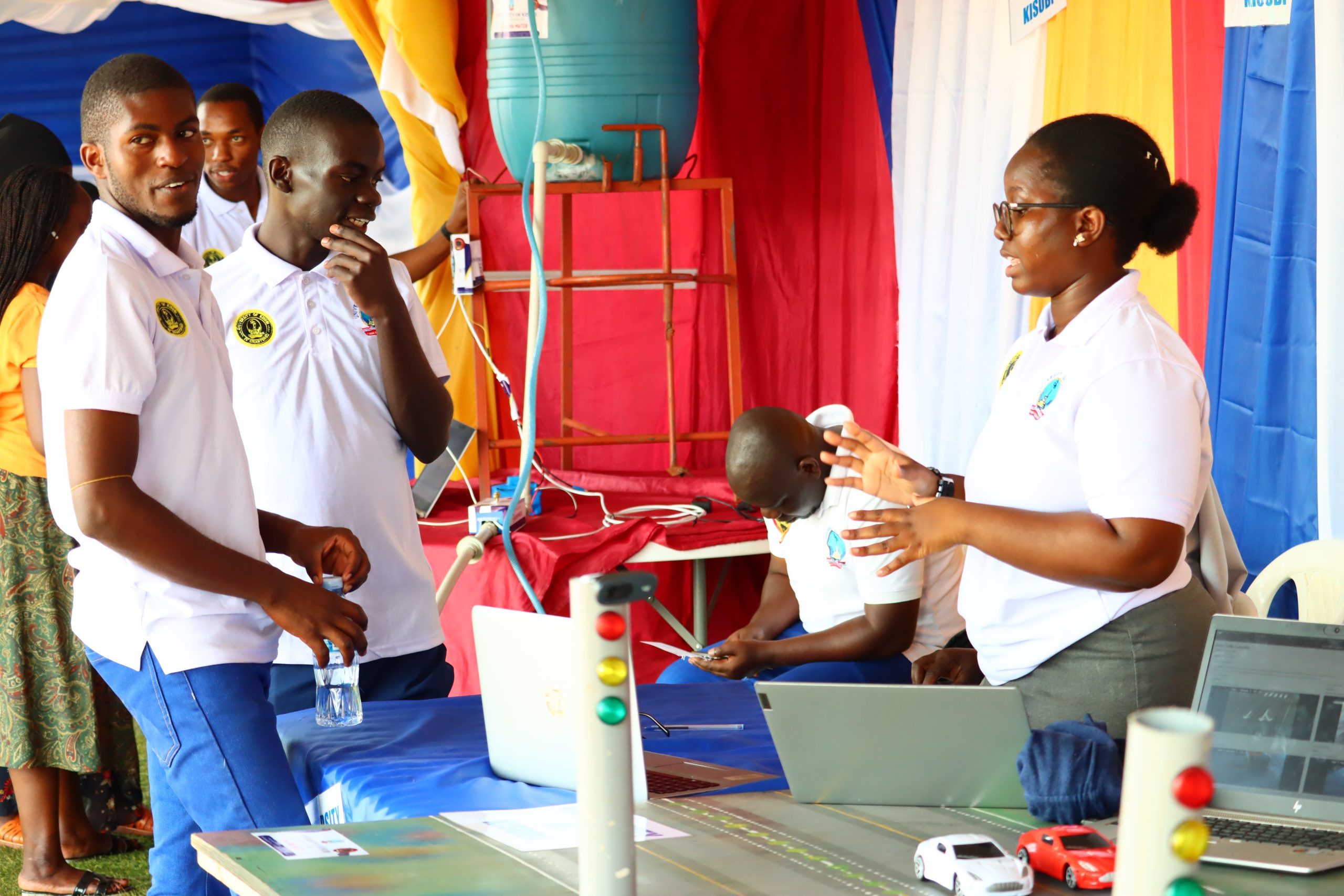
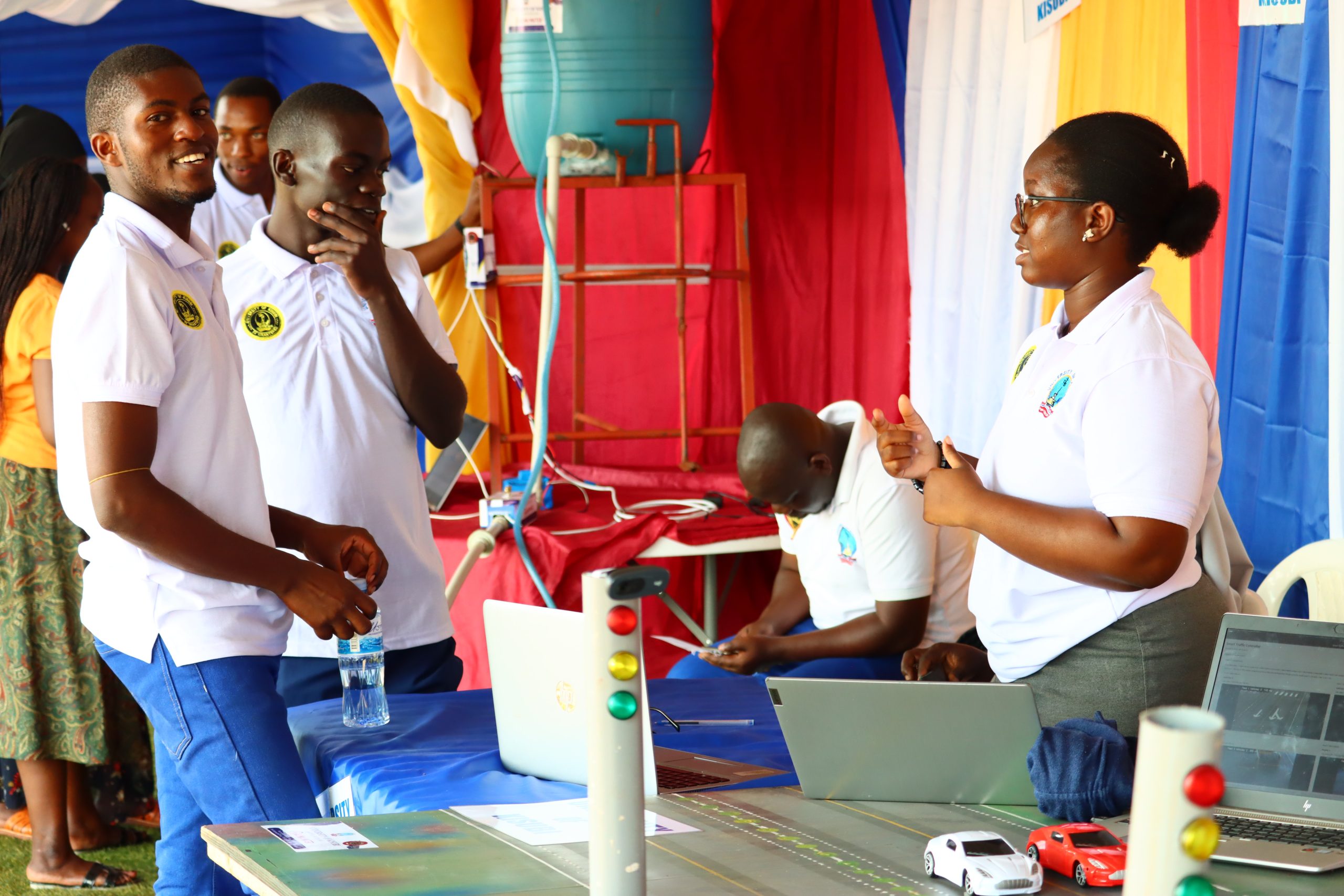
The University also showcased an automated prepaid water payment system, modeled on existing utility payment platforms, offering a smart and efficient way to manage water usage. In the area of agriculture, a hydroponic system (soil-less plant growing technology) demonstrated sustainable farming methods suitable for modern environments.
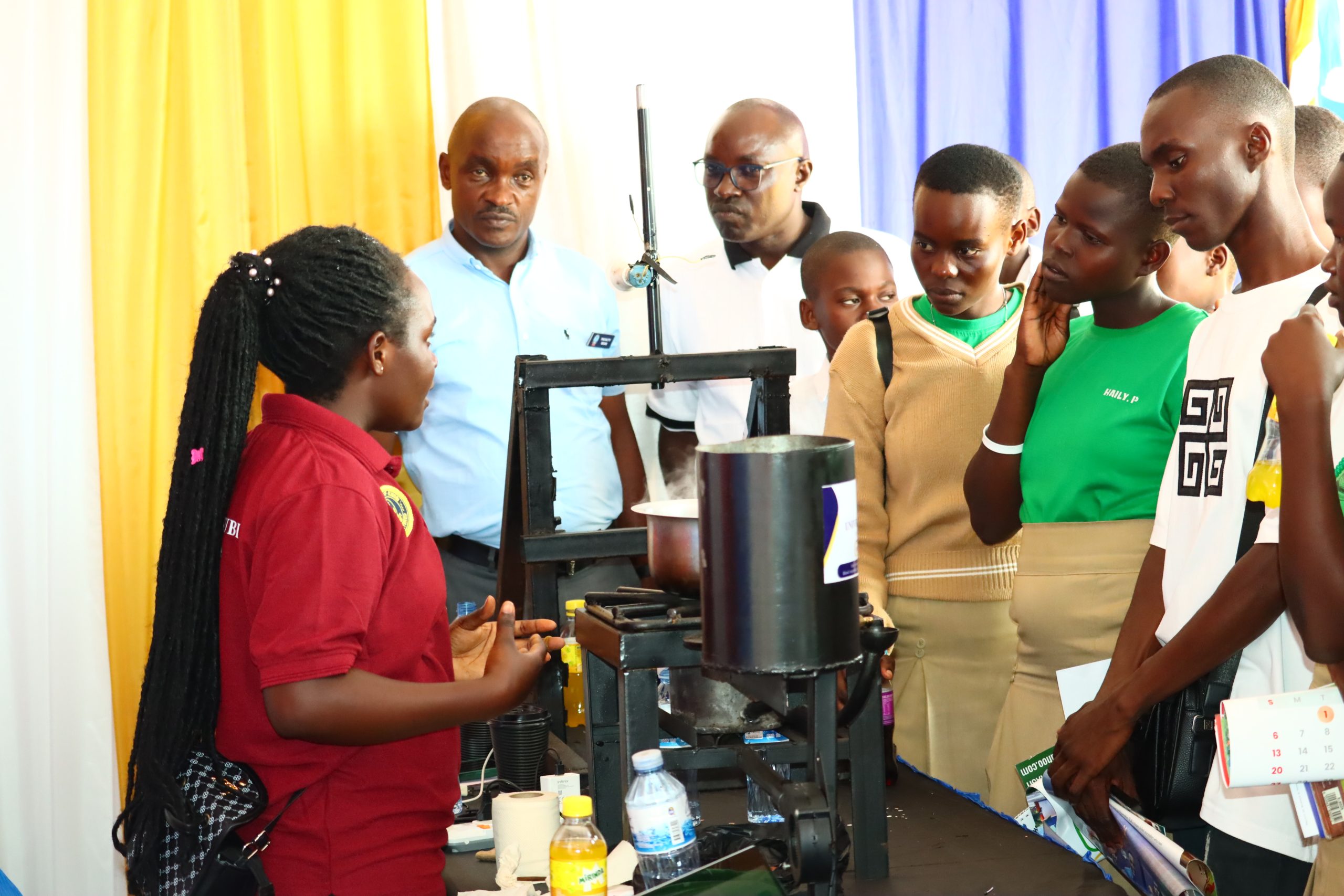
Other innovations included an oil-fueled stove that uses recycled burnt oil as a cost-effective cooking alternative, as well as a career guidance application system designed to support students in making informed academic and professional choices.
Through these innovations, the University of Kisubi reaffirmed its commitment to developing practical solutions that address real community challenges while contributing to national development.