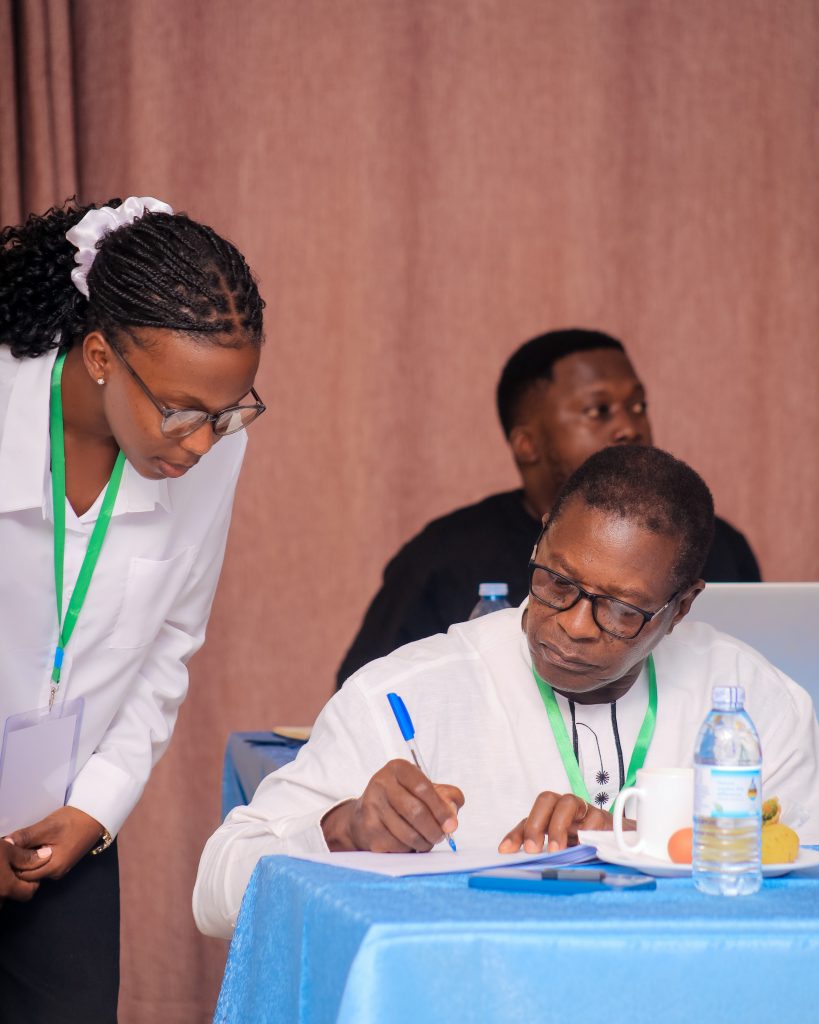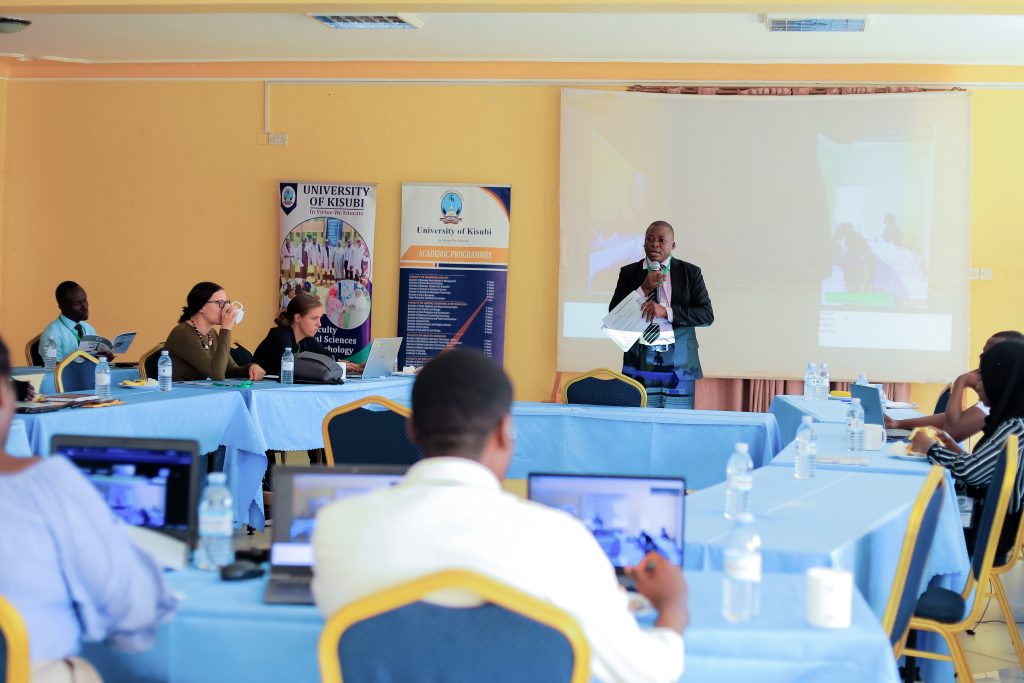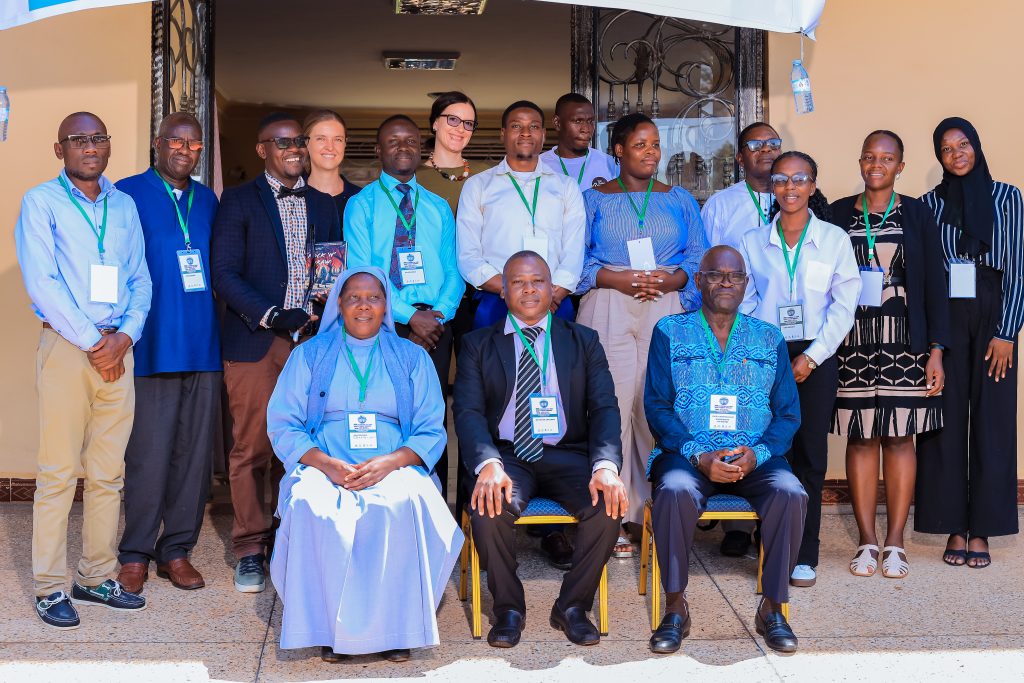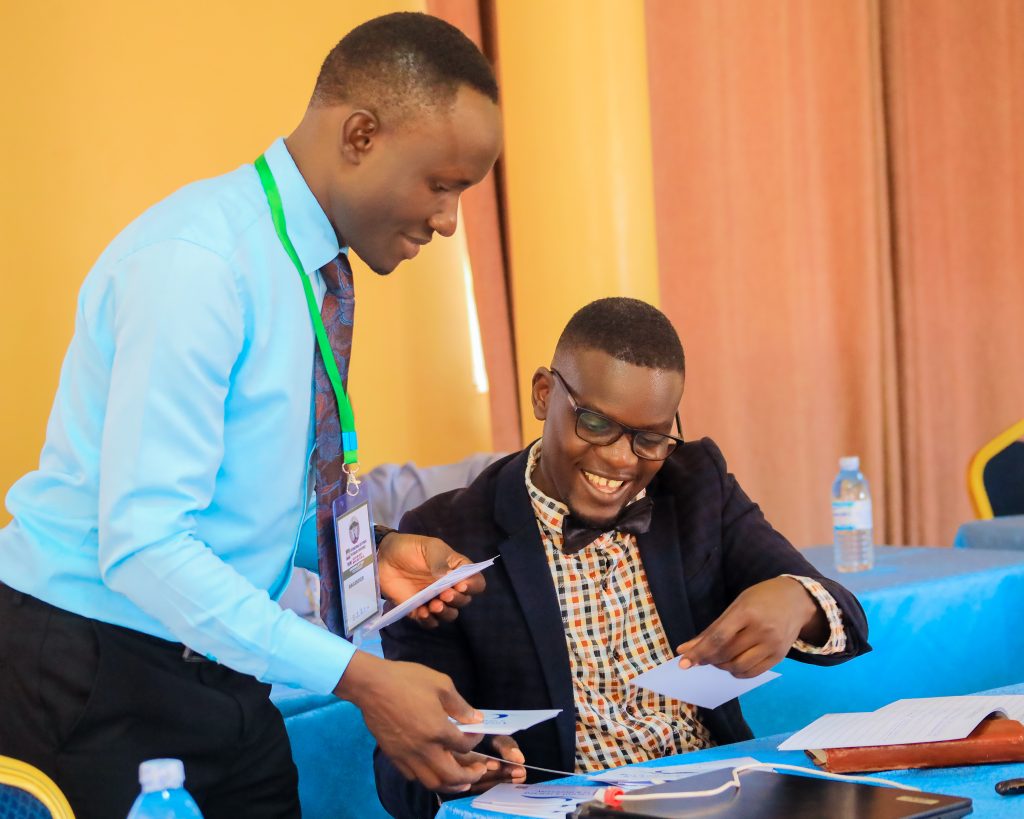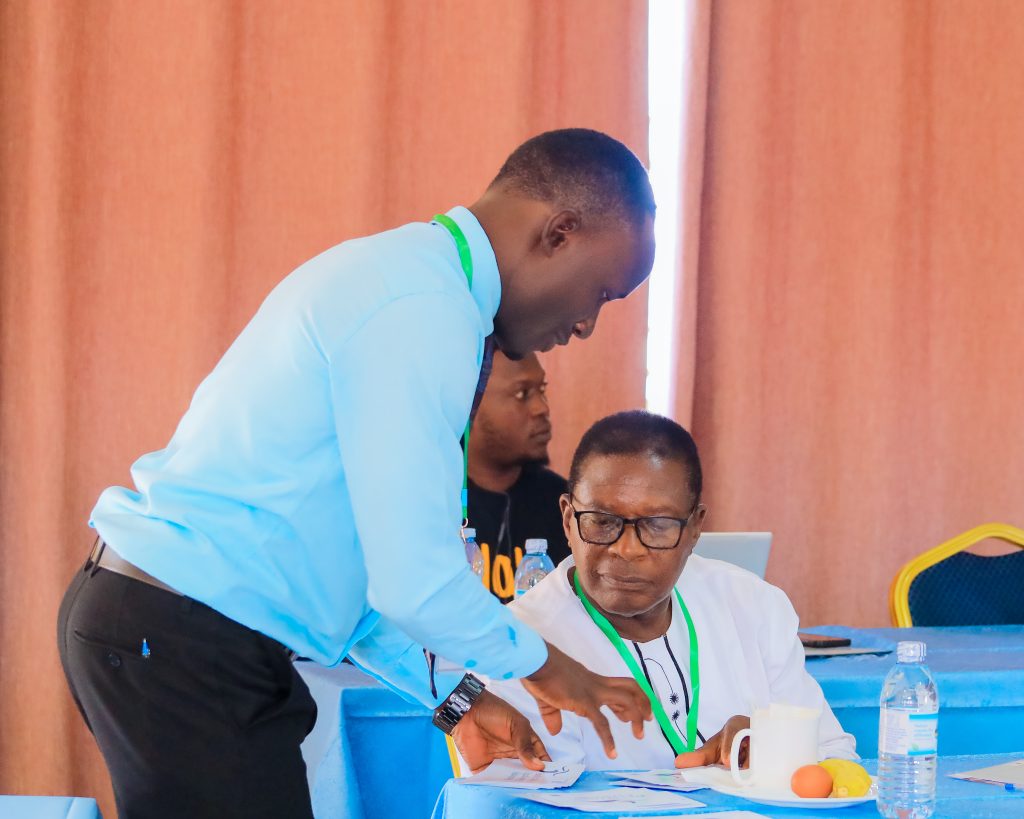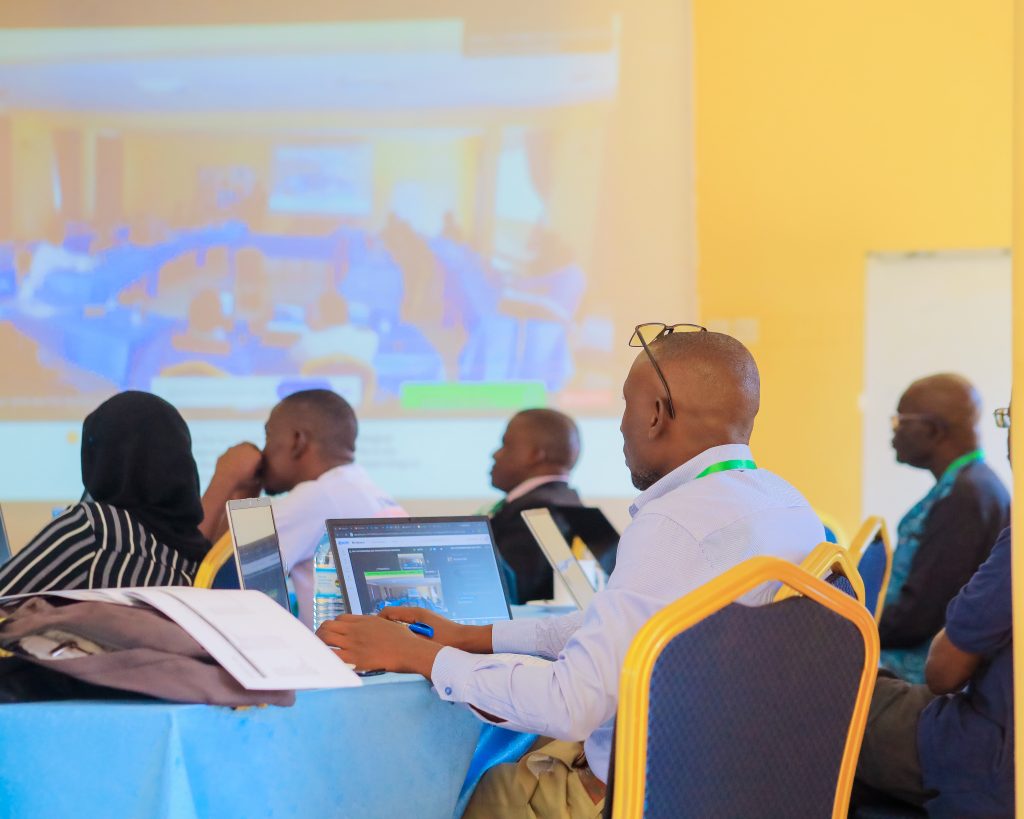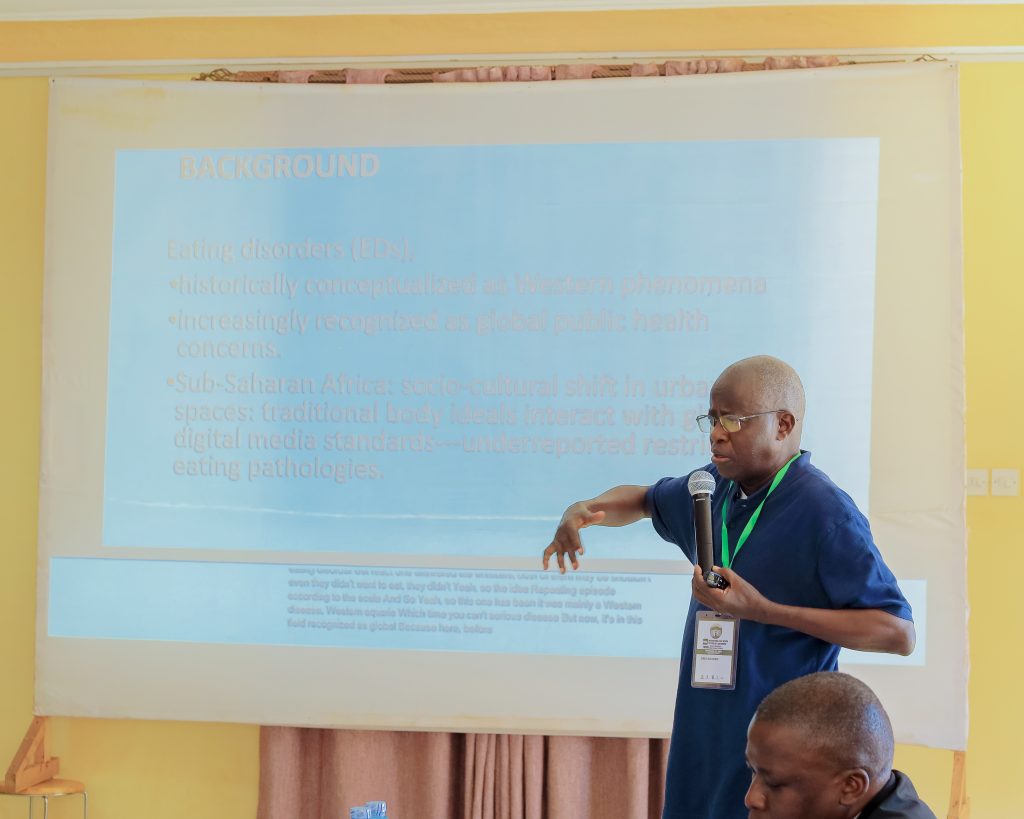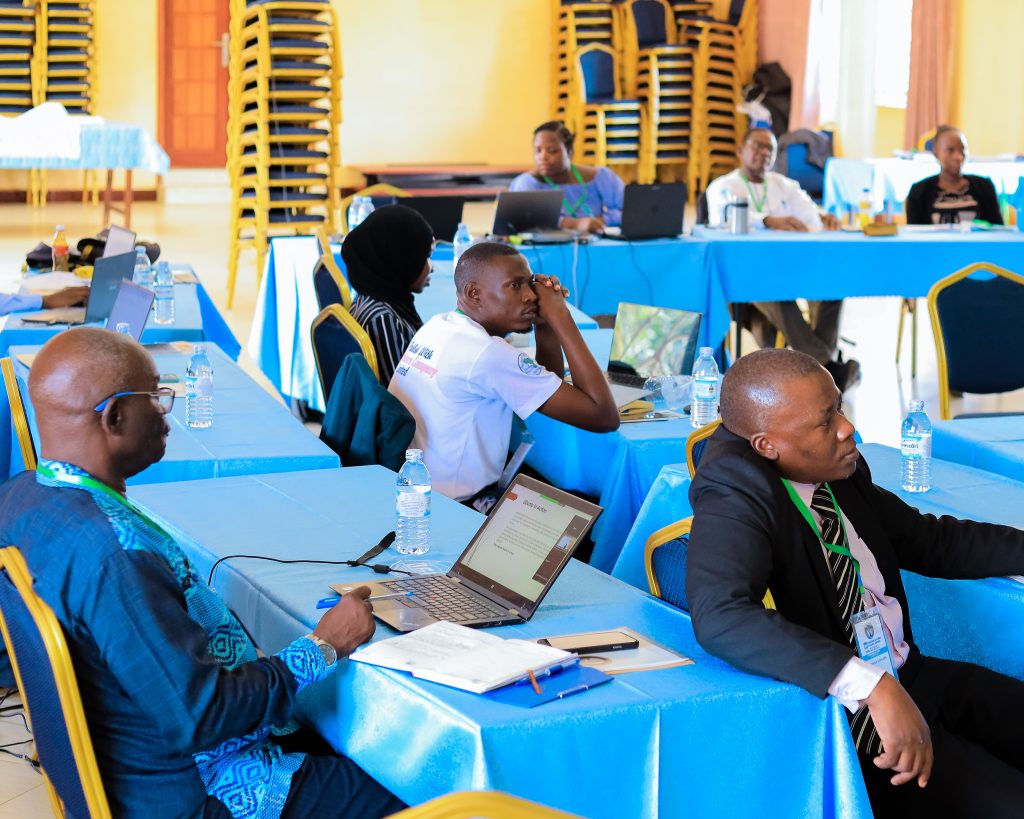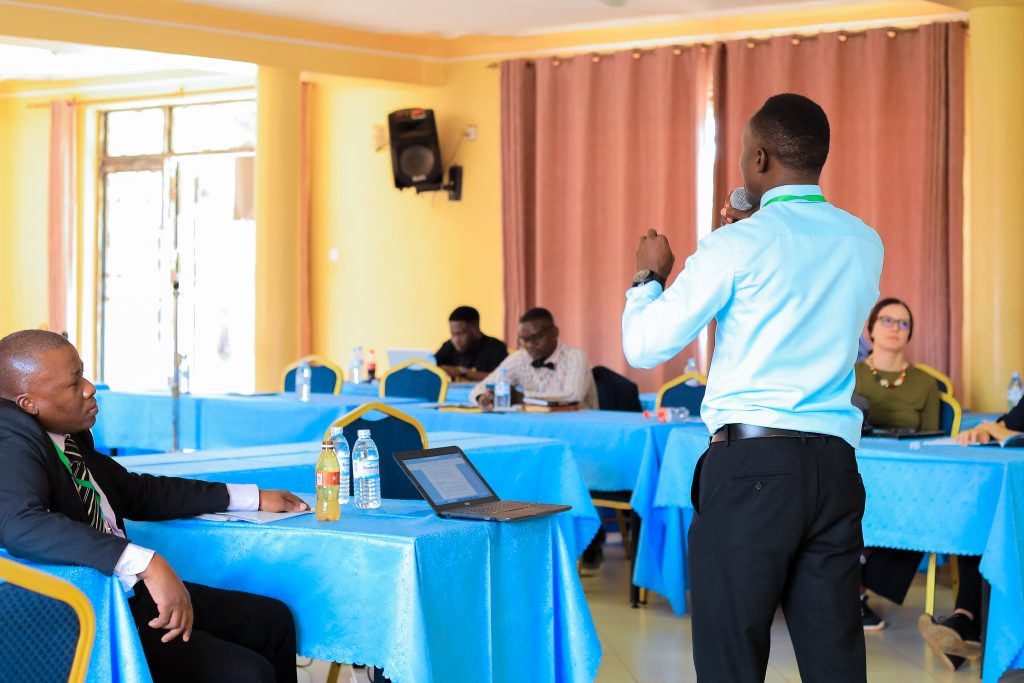
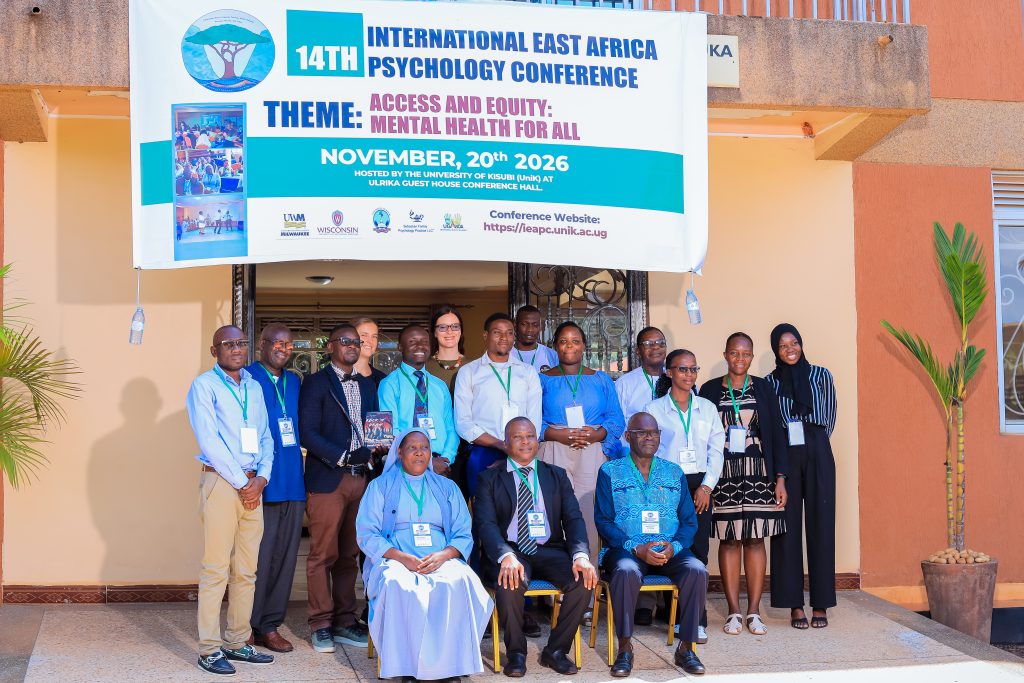
The University of Kisubi (UniK) on Friday, 20 November 2026, hosted the 14th International East Africa Psychology Conference at Ulrika Guest House, Kisubi, under the theme “Access and Equity: Mental Health for All.” The conference brought together researchers, mental health practitioners, academics, faith leaders, community organisations and development partners from Uganda and beyond to explore practical approaches to improving access to mental health services and promoting holistic wellbeing.
Held in a hybrid format, with participants attending physically and virtually through Zoom, the conference provided a platform for scholarly engagement, knowledge exchange and collaboration among stakeholders working to address mental health challenges in different communities. The hybrid arrangement enabled participation from partners in East Africa, Nigeria and the United States, particularly in light of Ebola-related travel restrictions.
The conference was chaired by Mr. Paul Waluya and featured contributions from experts and practitioners representing universities, civil society organisations, community initiatives and international institutions. Among the participating organisations were Muni University, AYINET, Almond Foundation, Grandmothers Beyond Borders, the Senior Citizens Association of Namugongo, Integrated Mental Health International, the University of Wisconsin-Milwaukee, the University of Wisconsin-Madison and the Uganda Behavioral Health Alliance, among others.
In his keynote address, Dr. Waiswa Jacob of Integrated Mental Health International emphasised the importance of the family as the first foundation of mental health. He called for greater parental involvement in children’s lives, stronger family support systems, school-based counselling and community mental health outreach programmes. He also highlighted the influence of digital media, spirituality, environmental conditions and social pressures on mental wellbeing.
Other morning presentations explored resilience and emotional wellbeing through poetry, the role of family support in treating adolescent anorexia, computational approaches to psychology, and the relationship between sleep, stress and mental health promotion. Fr. Dr. Augustine Kalemera, in his presentation on harnessing the family in treating adolescent anorexia in Kampala, demonstrated the importance of culturally sensitive, multidisciplinary interventions involving psychotherapy, pastoral counselling, family psychoeducation and nutritional care.
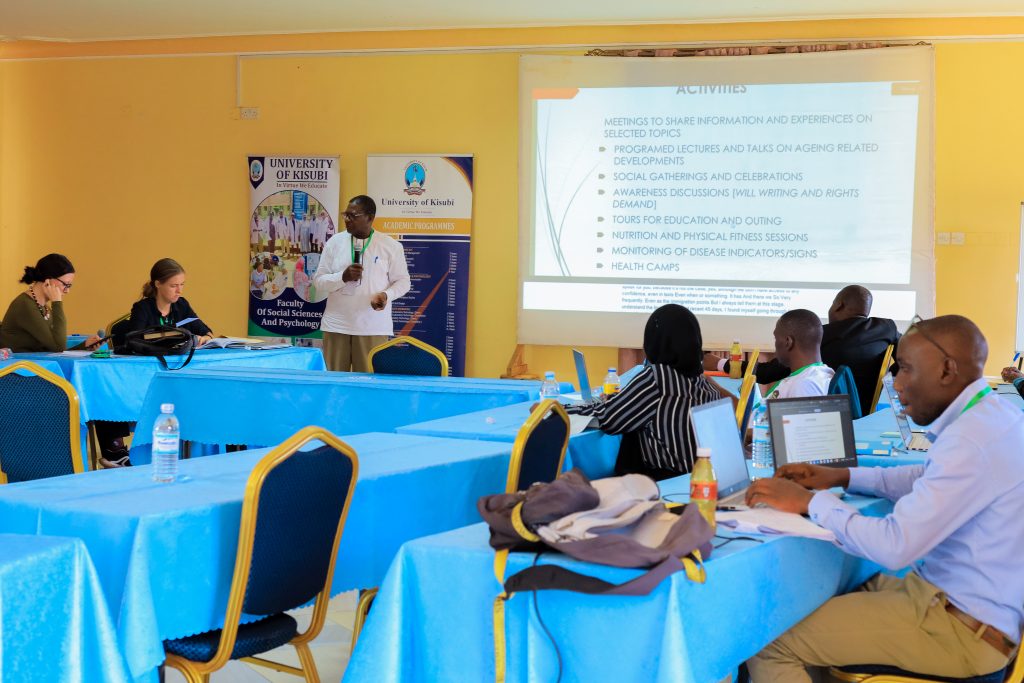
The afternoon sessions shifted attention to populations and communities that often experience barriers to mental health services. Dr. Makumbi Gerald Majella presented the experience of the Senior Citizens Association of Namugongo (SCAN), highlighting the importance of social engagement, nutrition, physical fitness and health programmes for older persons. Mr. Paul Waluya shared youth-led recommendations under the SAWA initiative, advocating for accessible mental health support systems and safe spaces where young people can openly discuss their challenges.
The conference also addressed the mental health needs of refugees, with Norbert Byambo Kagosi highlighting the challenges experienced by displaced communities, including stigma, inadequate funding, language barriers and limited access to trained professionals. Matthew Katuramu introduced Pharmacovana, a medicine information application designed to improve public access to information about medicines, treatments and nearby pharmacies.
Further presentations examined interventions for reducing injectable drug use, the treatment gap in underserved communities in Uganda, and community-based approaches to mental health. Dr. Godfrey Ddungu of California State University, Fresno, particularly emphasised the need to integrate mental health services into primary healthcare and HIV services, strengthen school-based mental health literacy, engage faith and traditional leaders, and improve the availability of trained personnel and essential medicines.
An important highlight was the contribution of international and regional partners through reports from eleven participating sites, including Lira, Adjumani, Arua, Gulu, Nairobi, Meru, Burundi, Congo, Ogun State and Abuja. These reports demonstrated the diverse mental health challenges affecting communities, ranging from gender-based violence, food insecurity and displacement to drug use, disability-related stigma and the effects of conflict.
The conference concluded with remarks from Dr. Hafsa Lukwata of the Ministry of Health, Uganda, who emphasised suicide associated with mental illness as a global concern and encouraged continued advocacy and awareness initiatives among mental health professionals and other stakeholders.
Throughout the discussions, speakers called for more inclusive and community-centred mental health systems that recognise the needs of children, young people, older persons, refugees and persons with disabilities. Key recommendations included strengthening family involvement, expanding mental health outreach, integrating services into primary healthcare, supporting youth-led initiatives, promoting culturally responsive interventions and improving access to professional care.
The conference also reaffirmed the importance of collaboration between academic institutions, government agencies, faith-based organisations, community groups and international partners in advancing mental health research, policy and practice.
By hosting the 14th edition of the International East Africa Psychology Conference, the University of Kisubi continues to provide a platform for interdisciplinary research, professional engagement and knowledge sharing on issues affecting human wellbeing. The University remains committed to promoting research, community engagement and collaborative approaches that contribute to healthier, more inclusive and resilient communities.
About the Conference
The International East Africa Psychology Conference is an annual scholarly platform bringing together researchers, practitioners, academics and other stakeholders to discuss emerging issues in psychology and mental health across the region.
Conference Theme: Access and Equity: Mental Health for All
Date: Friday, 20 November 2026
Venue: Ulrika Guest House, Kisubi, and online
Host: University of Kisubi
Conference Website: https://ieapc.unik.ac.ug